
CBAM Guidance for Non-EU Operators
- Annkaren Wambui

- 2 days ago
- 4 min read
Updated: 3 hours ago
🔓 The European Commission Releases New CBAM Guidance for Non-EU Operators
Summary: The European Commission has released a new modular series of ten CBAM guidance documents for non-EU operators, replacing the previous reliance on a single transitional guidance document published in 2023. The new publications are designed to help manufacturers, exporters and other third-country operators understand the definitive CBAM regime, covering core concepts, implementation requirements, emissions calculations and sector-specific guidance. For businesses supplying CBAM goods to the EU, this represents an important opportunity to review compliance processes before the definitive regime takes full effect. |
The European Commission Expands CBAM Guidance for Non-EU Operators
The European Commission has published a comprehensive new series of guidance documents to support non-EU operators preparing for the definitive phase of the Carbon Border Adjustment Mechanism (CBAM).
The publication represents an important development for businesses exporting CBAM goods into the European Union and demonstrates the Commission's continued efforts to improve understanding of the new carbon border rules.
Unlike the previous guidance issued during the transitional period, the new approach provides practical information in smaller, topic-specific documents that are easier to navigate.
A More Practical Approach to CBAM Guidance

Since the introduction of the transitional CBAM period, many businesses have relied on a single guidance document published in 2023.
While comprehensive, that document primarily reflected the transitional reporting phase and required readers to navigate a lengthy publication covering multiple subjects.
The Commission has now adopted a modular guidance approach, enabling businesses to locate information more efficiently depending on their role and level of experience.
What's Included?
The Commission has released ten guidance publications covering different aspects of CBAM implementation.
The first three publications introduce the core framework:
Guidance No. 1 – Introduction to CBAM concepts
Guidance No. 2 – Quick Guide for Non-EU Operators
Guidance No. 3 – Methods for Calculating Embedded Emissions
The remaining publications provide additional technical guidance, including sector-specific documentation for businesses trading CBAM goods.
This structure allows businesses to focus on the guidance most relevant to their products and supply chains.
Why This Matters for Non-EU Exporters
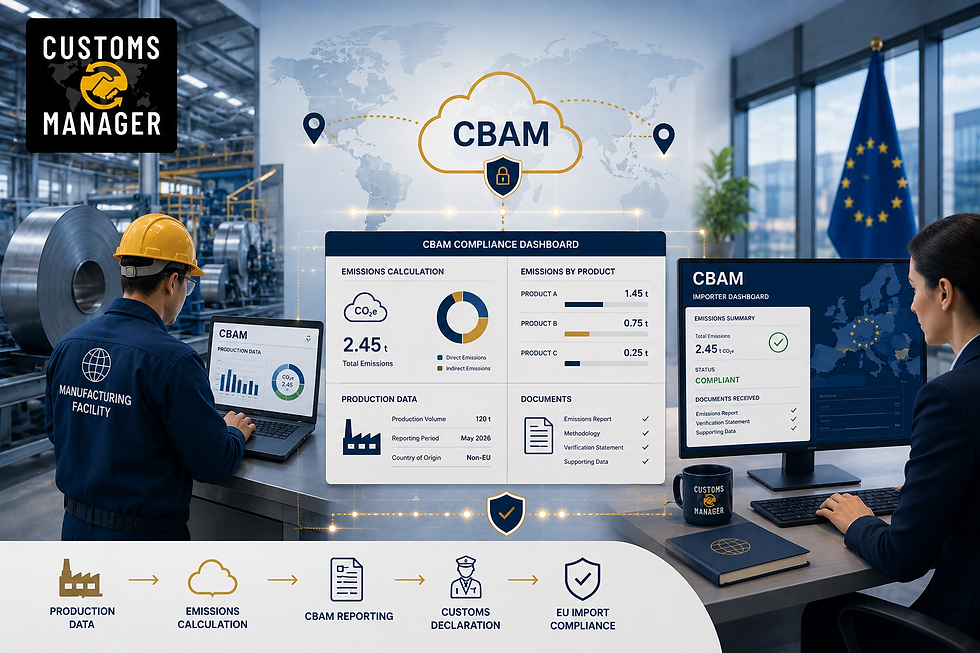
For manufacturers and exporters located outside the European Union, understanding CBAM is becoming increasingly important.
Many non-EU businesses now need to:
Understand their role within the CBAM supply chain.
Calculate embedded emissions accurately.
Provide reliable emissions data to EU importers.
Strengthen internal record-keeping.
Prepare for the definitive CBAM reporting and compliance requirements.
The new guidance helps clarify these responsibilities and provides practical explanations aligned with the definitive CBAM regime.
A Step Towards the Definitive CBAM Regime

The publication of dedicated guidance demonstrates that CBAM is moving beyond transitional reporting and towards full implementation.
Businesses should therefore use this opportunity to review:
Internal emissions data collection.
Product-level carbon calculations.
Supplier communication processes.
Documentation supporting reported emissions.
Internal CBAM compliance procedures.
Preparing early can help reduce reporting challenges as the definitive regime continues to develop.
Practical Considerations for Businesses

Whether you manufacture steel, aluminium, cement, fertilisers, hydrogen or electricity—or supply components into CBAM-regulated products—these new guidance documents offer valuable practical support.
Businesses should ensure that relevant personnel responsible for sustainability, customs, production and international trade review the guidance together to develop a coordinated compliance strategy.
📥🔐 Download the Official CBAM Guidance
The European Commission has published a comprehensive collection of guidance documents supporting the definitive implementation of the Carbon Border Adjustment Mechanism (CBAM).
The guidance includes introductory material, implementation support, emissions calculation methodologies and sector-specific documents designed to help non-EU operators understand and comply with CBAM requirements.
Access the official guidance documents here:
Unlock instant access to all documents by creating an account and subscribing to the Pro Plan. Experience it risk-free with a 30-day free trial—just email us at info@customsmanager.org to get started
🎥 CBAM Definitive Period Explained
In this video, Customs Manager explains what the definitive phase of the EU Carbon Border Adjustment Mechanism (CBAM) means for importers of carbon-intensive goods and why compliance now extends beyond emissions reporting. Learn how CBAM certificates, carbon pricing linked to the EU Emissions Trading System (EU ETS), embedded emissions calculations and robust Monitoring, Reporting and Verification (MRV) systems affect businesses importing covered products into the European Union. Whether you are an EU importer, non-EU manufacturer or trade compliance professional, this practical guide explains the financial implications of the definitive regime and the steps organisations should take to strengthen CBAM compliance and reduce future risk.
Need Help Preparing for CBAM Compliance?
At Customs Manager Ltd, we help businesses prepare for the Carbon Border Adjustment Mechanism (CBAM) through:
CBAM Readiness Reviews
Assess your organisation's CBAM preparedness, identify compliance gaps and strengthen processes before the definitive regime takes full effect.
CBAM Consultancy & Advice
Receive practical guidance on CBAM requirements, embedded emissions reporting, supply chain responsibilities and compliance obligations for EU imports.
CBAM Training
Build practical knowledge through expert-led training covering CBAM legislation, emissions calculations, reporting obligations and best practices for importers, exporters and non-EU operators.
Knowledge Hub & Content Library
Access a growing library of expert articles, videos, practical guides and compliance resources covering CBAM, customs compliance, sustainability regulations and international trade.
Trade Intelligence
Stay ahead of CBAM developments, EU sustainability legislation and international trade compliance through our weekly PRO Trade Intelligence publications.

How Customs Manager Ltd Can Support You
Expert Consultancy & Advice
Discuss the implications of these developments for your business. Schedule a free one-hour consultation at www.customsmanager.org → Book Expert Call.
Specialized Training
We offer live, on-demand and in-house training covering:
EU customs developments
CBAM
Trade compliance
Supply chain resilience
Visit www.customsmanager.org → Events.
Free Information and Updates
Weekly Newsletter:https://sendfox.com/customsmanager
Weekly Videos:https://www.youtube.com/c/CustomsManagerLtd
Author
Ann Karen | Head of Growth
Updated: August 2026
Related Topics:
#CBAM #CarbonBorderAdjustmentMechanism #EUCompliance #TradeCompliance #CustomsCompliance #EmbeddedEmissions #InternationalTrade #ImportCompliance #Sustainability #ClimatePolicy #TradeIntelligence #CustomsManager
Disclaimer
This article is provided for general informational purposes only and does not constitute legal, customs or tax advice. Businesses should seek professional advice based on their individual trading arrangements and compliance obligations.


Comments